Psychedelics have fascinated the human imagination for hundreds of years, offering serious experiences that challenge our understanding involving consciousness and fact. Among the many psychedelics available today, magic mushrooms, or psilocybin mushrooms, stand up out due to their unique components, historical use, and recent resurgence inside therapeutic contexts. This article explores the comparison between magic mushrooms and other popular psychedelics, including LSD, mescaline, and DMT, concentrating on their chemical substance structures, effects, potential therapeutic uses, and even safety profiles.
just one. Understanding Psychedelics
Before diving into the comparison, it’s necessary to understand precisely what psychedelics are. Psychedelics are substances that will alter perception, feelings, and cognitive processes, often leading in order to experiences of improved awareness or magical states. They primarily affect serotonin pain in the brain, particularly the 5-HT2A receptor, which plays a crucial role within mood regulation in addition to perception.
Common Psychedelics
Magic Mushrooms (Psilocybin): These fungi contain the active chemical substance psilocybin, that this human body converts to psilocin. Magic mushrooms include been used inside various cultures intended for spiritual and therapeutic purposes.
LSD (Lysergic Acid Diethylamide): Produced inside the 1930s, LSD is well known for their potent effects actually in minute dosages. It is made from ergot, some sort of fungus that increases on rye in addition to other grains.
Mescaline: Found in particular cacti, notably the peyote and San Pedro cacti, mescaline has become used with regard to thousands of many years by Indigenous lenders in the Americas with regard to spiritual ceremonies.
DMT (Dimethyltryptamine): A naturally occurring compound found in several crops and animals, DMT is known with regard to producing intense, short-lived psychedelic experiences. It is often utilized in traditional Amazonian shamanic practices in the particular form of ayahuasca, a brew that combines DMT-containing vegetation with an MAOI (monoamine oxidase inhibitor) to prolong its effects.
2. Chemical Structures and Components of Action
Magic Mushrooms
Psilocybin (C12H17N2O4P) is structurally similar to serotonin in addition to is converted to psilocin (C12H16N2O) in the body. Psilocin primarily binds to the 5-HT2A receptors within the brain, leading in order to altered perception plus mood.
LSD
LSD (C20H25N3O) is in addition a serotonin analog but is even more complex in the action, reaching several serotonin receptor subtypes as well while other neurotransmitter methods. This broader range of action contributes to its unique results, including visual distortions and profound adjustments in thought.
Mescaline
Mescaline (C11H17NO3) gives a similar structural framework together with phenethylamine psychedelics. It primarily works on the 5-HT2A radio but also affects dopamine receptors, leading to both visual and auditory hallucinations plus changes in disposition.
DMT
DMT (C12H16N2) is a tryptamine like psilocybin and is also an effective 5-HT2A receptor agonist. Its effects happen to be known to become brief but intensely vivid, often referred to as a quest into alternate realities.
3. Effects and Experiences
Duration and Onset
Magic Mushrooms: Effects typically start within 20-60 a few minutes, peaking around two to three hours, and could last as long as 6 hrs, with respect to the dose and even individual metabolism.
LSD: The onset is similar, with outcomes starting in 20-60 minutes, peaking in about 2-4 hours, and lasting up to 12 hours or more.
Mescaline: Typically the onset could be 30-90 minutes, with effects lasting 10-14 hrs.
DMT: Effects are rapid, often commencing within minutes and even peaking at around 20-30 minutes, with a total duration associated with about 1-2 several hours when smoked or perhaps vaporized.
Subjective Results
While all psychedelics will produce profound changes in perception plus mood, the actual experiences can vary widely:
Magic Mushrooms: Customers often report feelings of interconnectedness, introspection, and spiritual activities. Visuals can be vibrant, with habits and colors enhanced.
LSD: Praised for its ability to alter considered processes, LSD could induce deep philosophical insights and creativity. Visuals might include geometric patterns and distortions in the notion of time.
Mescaline: The ability is often referred to as more grounded and earthy, along with vivid visuals plus a strong connection to nature. Users usually report feelings regarding joy and emotional catharsis.
DMT: DMT experiences are often characterized by rapid, intense visuals, often explained as alien or otherworldly. Users record profound insights, activities with entities, and even a sense regarding entering alternate measurements.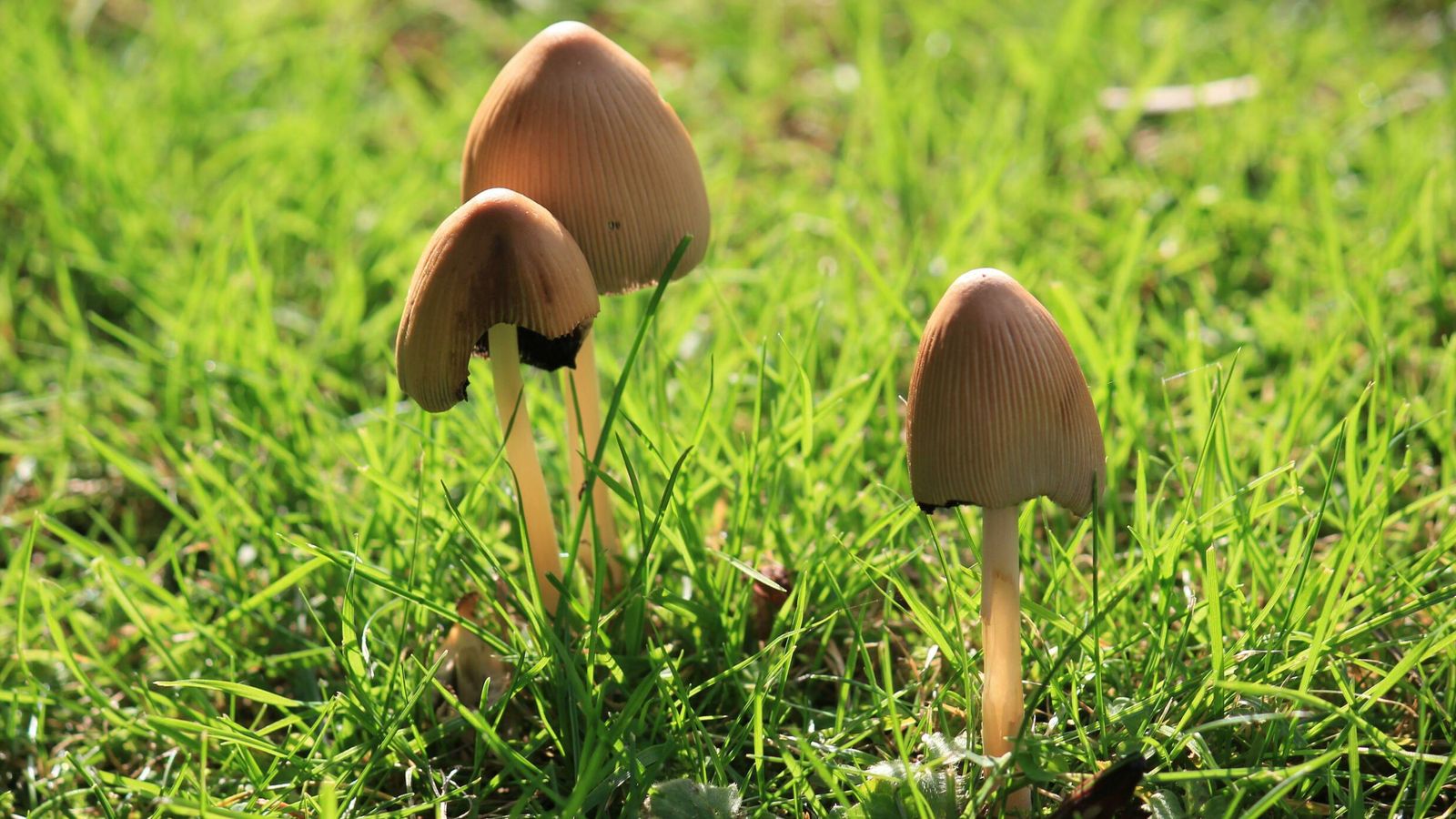
4. Therapeutic Utilizes
Recent studies possess shown that psychedelics have therapeutic prospective for various psychological health conditions. Even so, the efficacy and even research surrounding these kinds of substances vary.
Miracle Mushrooms
Psilocybin offers shown promise found in treating depression, stress, PTSD, and dependancy. Clinical trials have indicated that psilocybin-assisted therapy can prospect to significant reductions in symptoms, usually after just a few sessions.
LSD
Research has in addition highlighted the potential of LSD in treating anxiety connected with terminal illness, habit, and PTSD. The particular therapeutic effects usually result from guided sessions, where the experience is recognized by trained practitioners.
Mescaline
Less analyzed than psilocybin in addition to LSD, mescaline have been noted for its potential in dealing with mood disorders. However, more studies wanted to understand it is therapeutic applications completely.
DMT
DMT, particularly in the type of ayahuasca, continues to be used in conventional healing practices in addition to has shown assure in treating depression, PTSD, and compound use disorders. Its rapid onset in addition to intense experience might facilitate profound emotional breakthroughs.
5. Protection and Side Effects
Toxicity and Reliance
Just about the most significant benefits of psychedelics like magic mushrooms, LSD, and mescaline is usually their low degree of toxicity and low possibility of addiction.
Magic Mushrooms: Psilocybin is regarded as safe, with a new high threshold for overdose. Unwanted side effects may possibly include nausea, panic, or paranoia, especially in inexperienced users.
LSD: LSD is furthermore thought to be non-toxic, along with no known fatal dose. Users may experience anxiety or even “bad trips, ” characterized by emotions of fear or even distress.
Mescaline: While mescaline has a new low toxicity account, it might lead to be able to vomiting, particularly when eaten in cactus kind.
DMT: Although DMT is considered risk-free, its intense effects can lead to challenging experiences, particularly for those unsuspecting for the encounter.
Long-Term Effects
While many users review positive long-term changes in mood and perspective after employing psychedelics, there could be negative consequences, such as Hallucinogen Persisting Perception Disorder (HPPD), where consumers experience flashbacks or even visual disturbances after the drug features worn out.
6. Cultural and Historical Framework
Psychedelics have heavy roots in numerous cultures worldwide, usually used in religious or healing situations.
Magic Mushrooms
Useful for thousands of decades in indigenous ethnicities for spiritual ceremonies, magic mushrooms possess recently gained consideration in Western treatments and psychotherapy.
LSD
Present in the thirties and popularized in the 1960s counterculture, LSD has been used both recreationally in addition to therapeutic situations. Its association with the counterculture activity has made this both revered and stigmatized.
Mescaline
Traditionally used by Native American tribes, mescaline has spiritual relevance and has already been a part of religious practices for years and years. Its employ is less popular in modern situations compared to additional psychedelics.
DMT
DMT has a lengthy great use in indigenous Amazonian nationalities, w here it is key to shamanic methods. The resurgence involving interest in ayahuasca ceremonies has brought DMT into broader public consciousness.
Bottom line
Magic mushrooms, together with other psychedelics like LSD, mescaline, and DMT, give unique experiences and even therapeutic potentials that are increasingly recognized inside contemporary society. When they share frequent mechanisms of actions and effects, every substance has specific properties and ethnic histories. As research continues to happen, the forthcoming may keep increased insights straight into their possibility of healing and personal change. Understanding these similarities and differences can help men and women make informed alternatives of their psychedelic activities, whether for beneficial purposes or individual exploration.
